
Kitchen remodels for Seattle homes: cabinets, counters, tile and lighting from one licensed crew, with a written fixed price before demolition starts.



4.7/5 Rating
Waiting is what makes it expensive
Small problems spread behind finished walls while the room still looks fine. Send four details, we call today.
Chosen by 100+ homeowners across Seattle, from Ballard to West Seattle.
Our galley kitchen felt like a hallway. They opened one wall, kept the plumbing where it was, and somehow we got an island out of it. The fixed quote is what we actually paid, which after our last remodel felt like a miracle.
Mark & Elena V.
Green Lake, Seattle
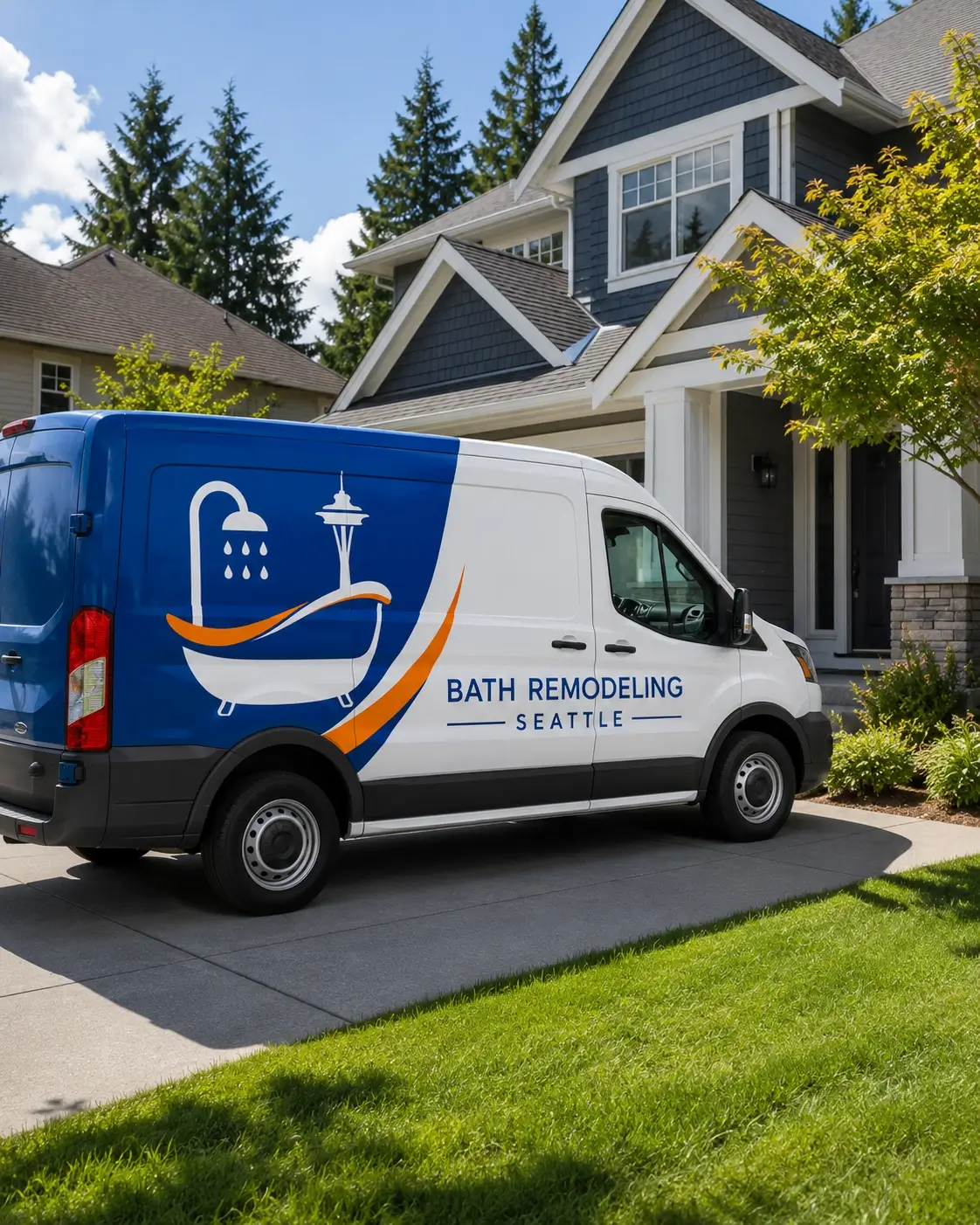
Most kitchens we open up in Seattle were last touched in the 1980s or 1990s: closed-off galley layouts, cabinets past their hinges, two circuits doing the work of six.
As Seattle’s trusted bath remodeling team, we bring the same fixed-price model to kitchens that we built our name on in bathrooms: one in-house crew, a written quote before demo, and permits handled for you.
Whether that means new cabinets and counters in the existing footprint or opening a wall to fit an island, you know the price and the schedule before anything is torn out.
From first call to final walkthrough, the process is built so you know the price, the schedule and who is in your house at every step.
STEP 1
Send the form with what is not working: a layout that fights you, cabinets past saving, counters you have stopped apologising for. We talk through scope and give you an honest budget range in that first conversation.
STEP 2
We measure, check what is behind the walls you want moved, and walk cabinet, counter and tile selections with you. You get a written fixed price and a week-by-week schedule. The quote is the price you pay unless you change the scope.
STEP 3
One in-house crew handles demolition, plumbing, electrical, cabinets, counters and tile. We set up a temporary kitchen corner so the house stays livable, protect your floors, and you sign off at a final walkthrough before we call it done.
Send four details through the form and a project manager calls you back today. The in-home measure gets you a written fixed price for your Seattle kitchen.
Most quotes are booked within two days of the first call.
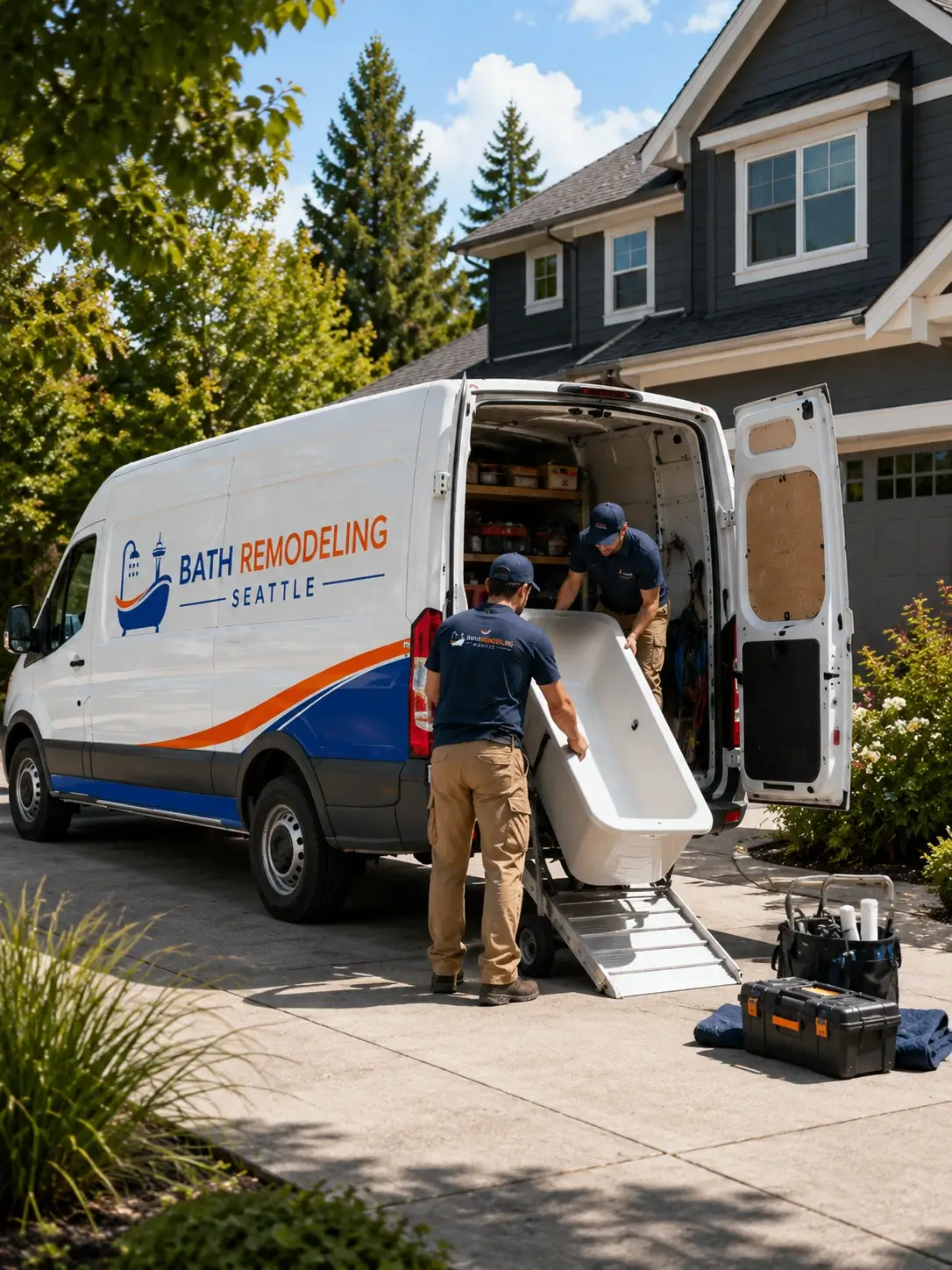
Seattle kitchens hide their problems in the walls. Craftsman homes in Ballard and Wallingford carry knob-and-tube wiring behind original plaster, mid-century ramblers in West Seattle hide undersized panels and settled floors, and view condos add HOA rules and freight-elevator logistics on top.
We have remodeled kitchens in all three for over a decade, so the quote you get already accounts for what your era of house tends to hide. The crew that opens the wall is the same crew that finishes it.
Real projects across the city: different homes, different budgets, same crew.
Costs, timelines, permits and living through it: what Seattle homeowners ask before remodeling a kitchen.
Most full kitchen remodels in Seattle cost $35,000 to $75,000, covering new cabinets, counters, tile, lighting and appliances installed in the existing layout. A cosmetic update with refaced cabinets and new counters runs $15,000 to $30,000, and a custom remodel that moves walls or gas lines can reach $100,000 or more.
The biggest cost movers are cabinets, which take roughly a third of most budgets, layout changes and appliance grade. You get a written fixed price at the in-home measure.
Yes, if the layout stays put and the cabinet boxes are sound. Refacing the cabinets, replacing counters and sink, adding a tile backsplash and updating lighting typically lands between $15,000 and $30,000 in Seattle.
What pushes a kitchen past that line is moving plumbing or gas, structural changes for an island or open wall, and cabinet boxes too far gone to reface. We tell you which side of the line your kitchen is on at the measure.
A full kitchen remodel takes 5 to 8 weeks on site once materials arrive. Cabinet lead times run 4 to 10 weeks before work starts, so the calendar span from signed quote to finished kitchen is usually 3 to 4 months. A refresh that keeps the layout runs 2 to 3 weeks on site.
We do not start demolition until your cabinets are confirmed, so your kitchen is never torn out waiting on a delivery.
Replacing cabinets, counters and flooring in place usually needs no permit. Moving plumbing or gas, adding circuits, or removing any wall requires permits from the Seattle Department of Construction and Inspections, and load-bearing walls also need engineering.
We pull the permits and meet the inspectors on every job that needs them, and the schedule you get already includes inspection days.
Sometimes. Opening the wall between a closed kitchen and the dining room is the single change that transforms older Seattle homes, and it often justifies its cost at resale.
Moving the sink or stove is worth it only when the work triangle genuinely fails, since relocating plumbing or gas adds $2,000 to $8,000 depending on distance and what is behind the wall. We price both versions at the measure so you can decide with real numbers.
Yes, nearly all of our clients do. We set up a temporary kitchen corner with your fridge, microwave and coffee maker in an adjacent room, seal the work zone with dust barriers, and keep water shut-offs to short scheduled windows.
The uncomfortable stretch is the 2 to 3 weeks between demolition and counter installation. Crews work set daytime hours and clean the site every evening.
Buyers here consistently pay for three things: an open layout connected to the living space, quartz or stone counters, and good lighting in layers rather than one ceiling fixture. A mid-range kitchen remodel in Seattle typically recoups 50 to 70 percent of its cost directly.
Kitchens sell houses: a dated kitchen invites low offers the way a damp bathroom does. Full-height backsplashes and panel-ready appliances show well; ultra-custom features rarely return their cost.
Three come up most: knob-and-tube wiring in pre-1940s homes, which must be replaced in any opened wall; galvanized or undersized plumbing behind the sink wall; and floors that settled out of level, which shows the moment cabinets go in.
We check for all three at the measure, and anything found later is photographed, priced and approved by you before we touch it. The fixed quote absorbs the rest.